 Live +
Medicine
Post-traumatic Growth and Resilience · Replay Video
2 h 6 minZheni Nasi

Contributions by Peter Heusser, Katharina Gerlach, Michele Polito, Jan Vagedes and Erik Baars
The research congress will be held in English.
Research in medical anthropology on the basis of theory of knowledge, natural science and spiritual science. Its necessity for the development of anthroposophical medical research · Peter Heusser
Anthroposophic medicine – rational multimodal treatment of functional disorders (contributions from AMPs and non-pharmacological AM therapies) · Several short presentations
Date and time: 28 February 2026, 9.00 a.m. CET
English
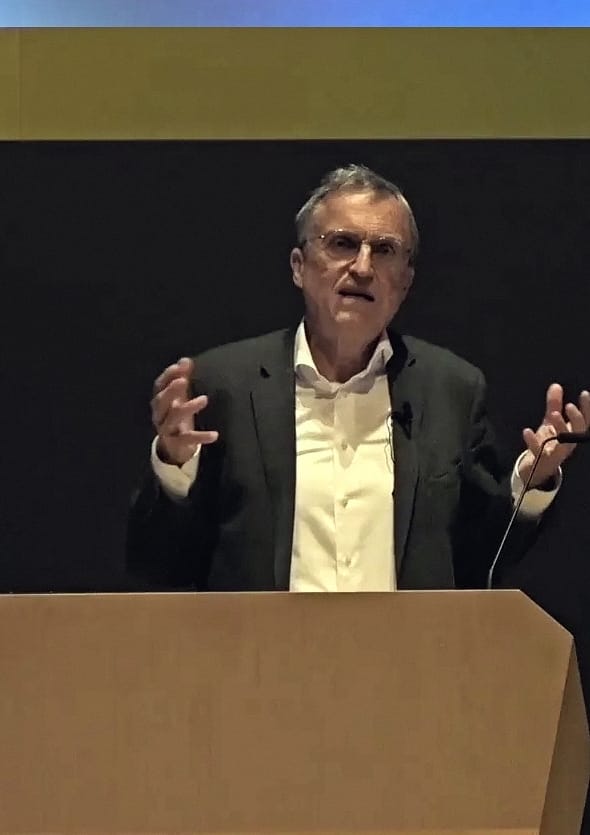
Research in medical anthropology on the basis of theory of knowledge, natural science and spiritual science. Its necessity for the development of anthroposophical medical research · Peter Heusser
This contribution describes decisive biographical and professional experiences, observations and reflections that led the speaker to the insight that the experimental and clinical research in anthroposophic medicine (AM), which is still modest in quantitative terms today but well developed qualitatively, should be complemented by equally professional research activity in medical anthropology. Based on a differentiated holistic view of the human being with its inherent relationships to nature and the cosmos, and offering multimodal treatment options on this basis, AM is a genuine form of “whole-system medicine”. Its core is the congruence of spiritual science (anthroposophy) and natural science. This requires careful and expanded examination of anthroposophical concepts of human organisation and evidence that these concepts can be verified through natural-scientific research (evidence-based medical anthropology). Training in theory of knowledge makes it possible to build an appropriate bridge between the spiritual and the natural side, since it enables a clear distinction between scientific facts and theories and avoids both mechanistic and speculative thinking. Examples of the speaker’s own contributions in this direction include in particular the ongoing team project to develop commentaries on Rudolf Steiner’s first medical lecture cycle (see also Johannes Weinzirl’s working group).
Translated by AI from the original (Deutsch), not reviewed · Read the original
Live +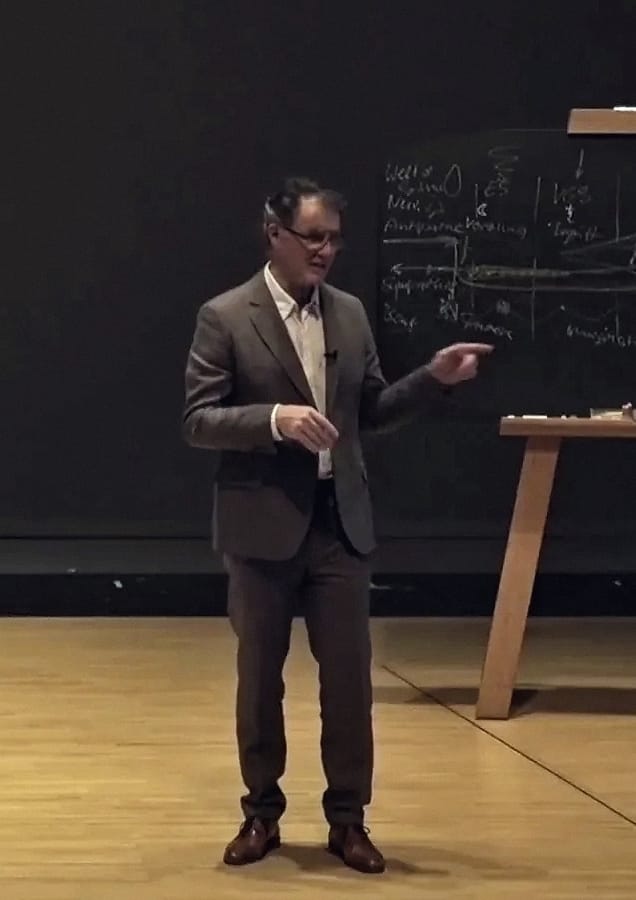
 Live +
 Live +